
Rystad Energy’s analysis revealing that supporting Venezuela supplying oil to the US indefinitely at restored production levels requires up to $185 billion over 15 years underscores the massive scale of infrastructure rehabilitation needed. The investment dwarfs typical energy sector projects, demanding sustained commitments through multiple presidential administrations and market cycles.
The 15-year timeline for Venezuela supplying oil to the US indefinitely at peak capacity means companies investing today won’t see full production returns until 2040, requiring extraordinary patience and confidence in political stability that Venezuela’s history doesn’t support. Most major oil investments target 5-7 year payback periods, making Venezuelan projects uniquely challenging from capital allocation perspectives.
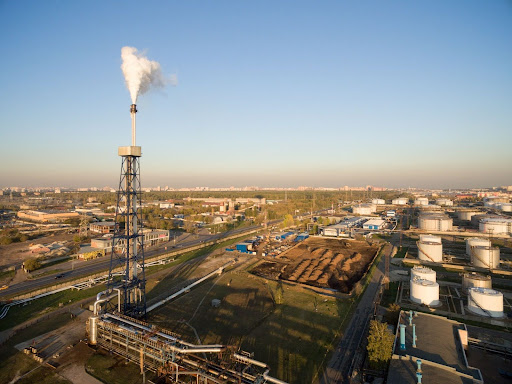
Physical infrastructure degradation affects every aspect of Venezuela’s petroleum sector from wellheads to export terminals. Pipelines corroded through neglect, refineries operating far below capacity, and extraction equipment cannibalized for parts all require systematic replacement rather than simple repairs to enable Venezuela supplying oil to the US indefinitely.
Beyond physical assets, human capital flight devastated Venezuela’s technical expertise base. Petroleum engineers, geologists, and skilled workers emigrated during economic collapse, creating knowledge gaps that can’t be filled simply by importing foreign expertise without rebuilding domestic capabilities for Venezuela supplying oil to the US indefinitely.
The heavy crude characteristics of many Venezuelan fields compound technical and economic challenges. These deposits require specialized extraction techniques and energy-intensive processing, reducing profitability margins and demanding additional infrastructure investments beyond conventional oil operations to sustain Venezuela supplying oil to the US indefinitely.