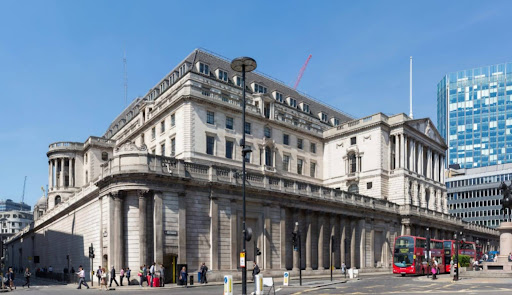
A perfect financial storm is brewing for UK households, as the Bank of England voted unanimously to hold rates at 3.75% on Thursday and warned that the Iran war could simultaneously push up energy bills, raise petrol prices, and trigger mortgage rate increases that together represent a compounding financial threat. The monetary policy committee described the conflict as a significant new economic shock that had materially worsened the near-term outlook for UK household finances. Officials warned that inflation could rise above 3% and that borrowing costs might need to increase before the year is out.
The perfect storm metaphor captures the simultaneous nature of the threat. Energy bills rising due to the war’s disruption of global supply. Petrol prices already climbing due to higher oil costs. Mortgage rates moving up as financial markets price in rate hikes. And the cost of borrowing for other purposes — car loans, personal credit, business finance — also moving higher in response to the changed monetary outlook. The individual elements of the storm are each manageable; the combination is the concern.
Governor Andrew Bailey described the situation with characteristic caution, warning of the energy price risks while urging markets not to overreact to the implication for rate hikes. He acknowledged the real and growing financial pressure on UK households but said the Bank’s response for now was to hold and observe. His message balanced transparency about the challenges with an attempt to avoid unnecessary alarm.
Financial markets did not follow the governor’s lead in avoiding dramatic reactions. UK gilt yields rose, the FTSE 100 fell, and the pound strengthened against the dollar as traders moved to price in two rate hikes before year end. Five-year fixed mortgage rates moved to their highest levels since early 2025, adding the mortgage element to the perfect storm already building.
For UK household financial planning, the perfect storm scenario demands a careful assessment of exposure to each of the individual risks. Those with significant energy use, long commutes by car, and variable rate mortgages face the greatest combined exposure. The government faces the challenge of identifying and supporting the households most exposed to the cumulative financial impact of what is shaping up to be one of the most challenging economic periods in recent years.