
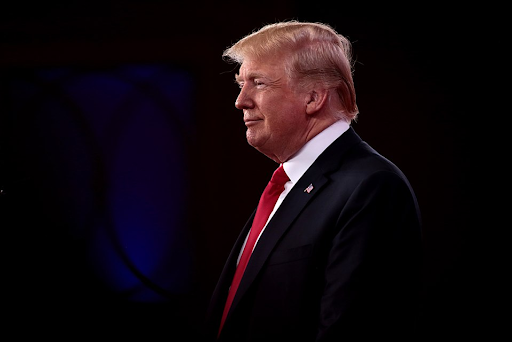
President Trump has issued a stern threat to South Korea, promising to raise tariffs to 25% on major exports unless Seoul’s parliament ratifies a trade agreement negotiated in 2024. The announcement targets key sectors including automobiles, pharmaceuticals, and lumber products.
The October 2024 trade and security agreement was finalized after months of tense negotiations between Trump and South Korean President Lee Jae Myung. While both leaders initially celebrated the deal as a diplomatic achievement, it has since become entangled in South Korean domestic political and legal disputes.
Korean officials were caught off-guard by Trump’s public threat, receiving no advance diplomatic notification. The government is responding by sending the trade minister to Washington for emergency talks while working with parliament to advance enabling legislation.
South Korea’s automotive manufacturers face the greatest risk from the threatened tariff increase, as the sector exports nearly half its production to the United States and represents more than a quarter of total Korean exports to America. Market reaction included sharp stock price declines that were partially recovered.
Trump’s approach to international trade continues to emphasize unpredictability and threats as negotiating tools. While some threatened tariffs are never implemented, the Atlantic Council’s international economics chair notes that volatility itself carries economic costs for businesses and markets.