
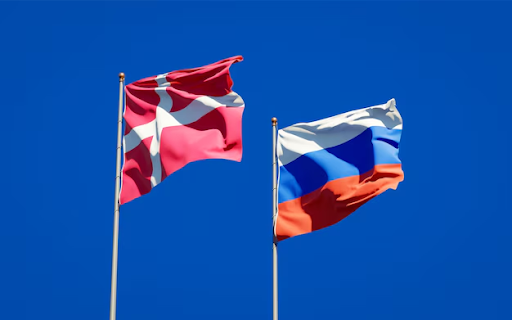
Denmark has formally accused Russia of carrying out two serious cyber-attacks, describing them as “destructive and disruptive” actions that amount to clear evidence of hybrid warfare. Danish authorities say the incidents were aimed at undermining national security and creating instability in a country that has openly supported Ukraine.
According to Denmark’s Defence Intelligence Service, one attack targeted a Danish water utility in 2024, while another involved a wave of distributed denial-of-service (DDoS) attacks against Danish websites ahead of municipal and regional elections in November. Investigators concluded that the operations were conducted by pro-Russian hacking groups with direct links to the Russian state.
In the water utility attack, hackers gained control of a waterworks facility in Køge and altered pump pressure, causing multiple pipes to burst. Although the physical damage was limited, officials said the incident demonstrated how cyber operations could directly affect critical infrastructure and public safety. The election-related cyber-attacks were intended to disrupt online services and draw public attention during a politically sensitive period.
Danish intelligence officials stated that such cyber activities are part of a broader Russian strategy to punish countries supporting Ukraine and weaken Western unity. Defence Minister Troels Lund Poulsen condemned the attacks as unacceptable and confirmed that Denmark would summon the Russian ambassador to address the issue diplomatically.
Government ministers also warned that Denmark, like much of Europe, remains vulnerable to advanced cyber and hybrid threats. They stressed that the incidents highlight the urgent need to strengthen cybersecurity and resilience against future attacks, as hostile actors have shown they are capable of disrupting essential services and democratic processes.