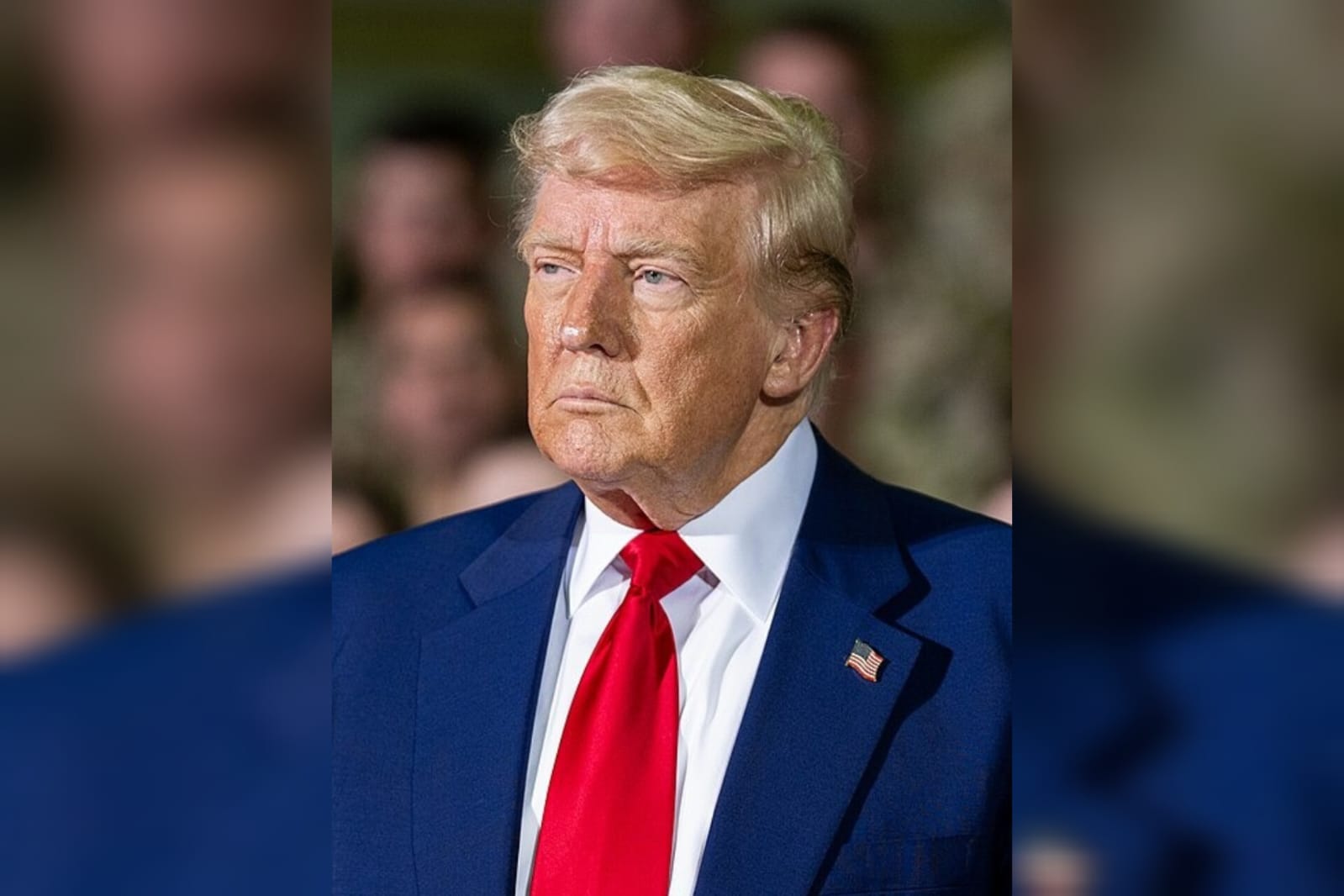
The United States and Iran have announced that a newly signed memorandum of understanding is now in effect, marking a significant move toward reducing tensions in West Asia. The agreement aims to initiate the implementation phase of this diplomatic effort. U.S. President Donald Trump confirmed that he signed the deal during a dinner at the Palace of Versailles after the G7 summit, emphasizing that the accord is now operational. This development was corroborated by a White House official, while Iranian representatives indicated that the document was finalized through electronic signatures from senior officials of both nations.
A vital element of this agreement is the immediate reopening of the Strait of Hormuz, a crucial global shipping passage that had faced disruptions due to the conflict. Additionally, the deal paves the way for rapid sanctions waivers on Iranian oil exports, enabling Tehran to resume its energy shipments under new conditions. The framework also outlines a 60-day negotiation period concentrating on Iran’s nuclear program, with more discussions anticipated regarding long-term verification mechanisms and regional security arrangements. Both parties view this agreement as the start of a phased process, not a conclusive settlement.
Another significant aspect of the framework is the potential establishment of a large-scale reconstruction fund for Iran, supported by regional partners, contingent upon reaching a final nuclear agreement. However, the United States has made it clear that broader financial assistance will depend on compliance and further diplomatic advancements.
Supporters of the agreement herald it as a breakthrough for stabilizing global energy markets and easing regional tensions. However, critics remain skeptical about the deal’s implementation and its long-term effects, particularly concerning the enforcement of nuclear restrictions and commitments to regional security.