
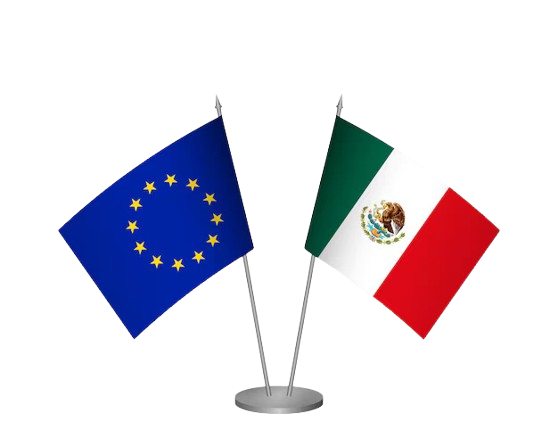
Mexico and the European Union have finalized an updated trade agreement designed to lower tariffs and enhance economic cooperation, aiming to diversify their trade relationships beyond the United States in light of former President Donald Trump’s tariff policies. This newly revised deal modernizes a trade pact originally established in 2000, removing several lingering barriers to trade and investment, which is expected to significantly increase market access for businesses and bolster supply chains between Mexico and Europe.
The agreement places particular emphasis on the automotive sector, especially auto parts, which have faced pressure from recent U.S. tariff measures. Under the terms of the deal, there will be reduced tariffs and expanded duty-free access for a variety of products, including pasta, chocolate, potatoes, canned peaches, eggs, and selected poultry items. This is anticipated to provide a substantial boost to trade flows in these categories.
As part of the agreement, Mexico has committed to recognizing protected European regional food products such as Parma ham and Roquefort cheese, a move that is expected to enhance European agricultural exports. This recognition is seen as a crucial step toward improving trade relations and ensuring that European specialty products gain a stronger foothold in the Mexican market.
Mexican President Claudia Sheinbaum highlighted the importance of exploring new trade and investment opportunities, while European leaders have described the agreement as a strategic move to enhance the competitiveness of both economies in global markets. This sentiment underscores a shared vision of creating a more robust partnership that can better withstand external economic pressures.
The European Union currently ranks as Mexico’s third-largest trading partner, following the United States and China. Officials from both sides express optimism that this updated agreement will not only fortify economic ties but also attract increased investment between Europe and North America, paving the way for a more interconnected and resilient economic future.